Design Web Application Online
Design Web Application Online

10 Best Web Application Design Principles | Magic UI
Source: magicui.design
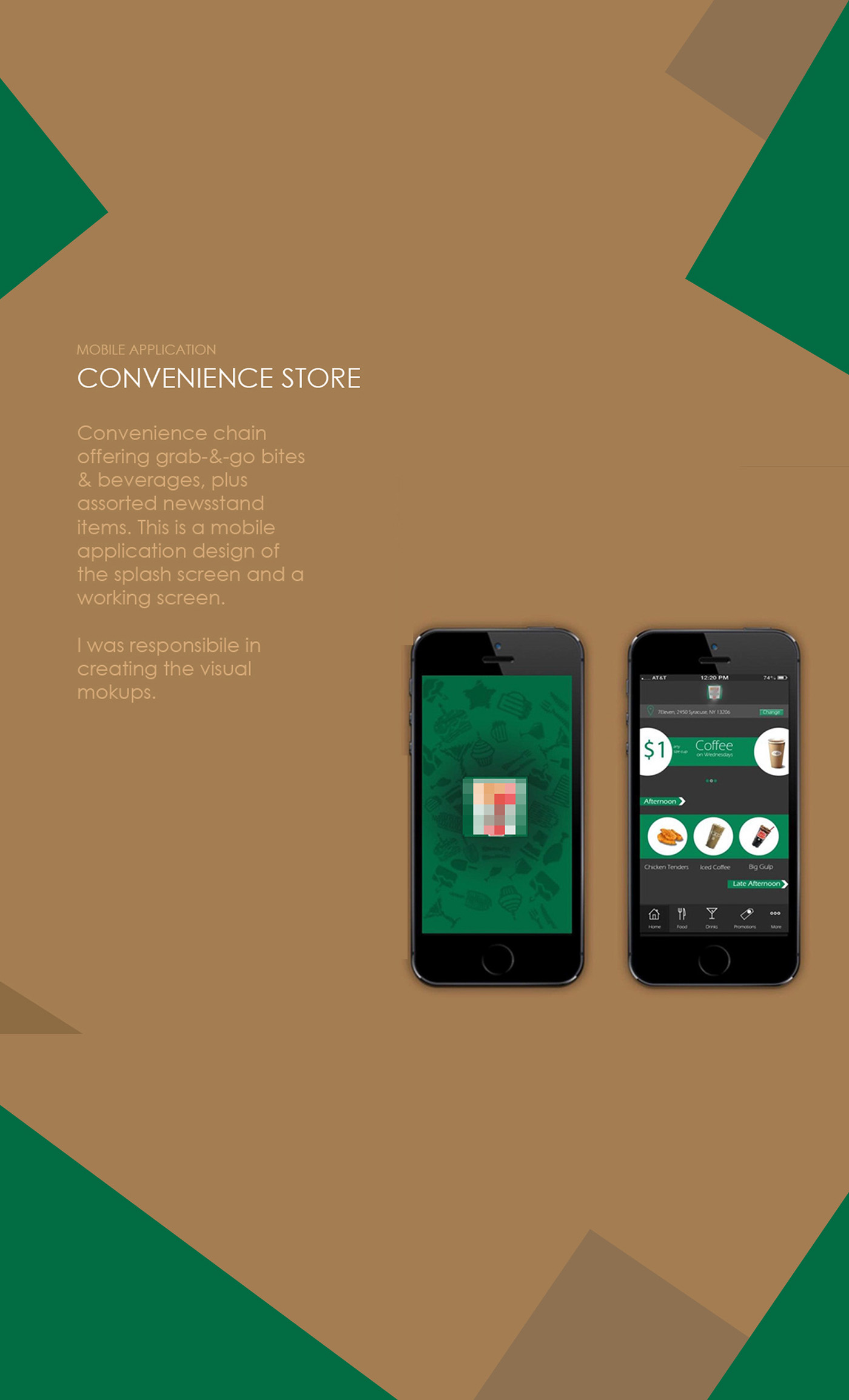
WEB APPLICATION DESIGN on Behance
Source: www.behance.net

Web Application Design by Mahesh Maroju on Dribbble
Source: dribbble.com
is a crucial aspect of web development that involves creating an aesthetically pleasing and user-friendly interface for websites and applications. In today's digital age, having a well-designed web application can make all the difference in attracting and retaining customers. However, designing a web application can be a complex and time-consuming process, especially for those who are new to the field. This article will guide you through the process of designing a web application online, providing you with valuable tips, steps, and insights to help you create a stunning and functional web application.

Professional Web Design Solution | Increase Conversion Rates
Source: bloomclicks.com
Understanding the Design Process

web application design on Behance
Source: www.behance.net
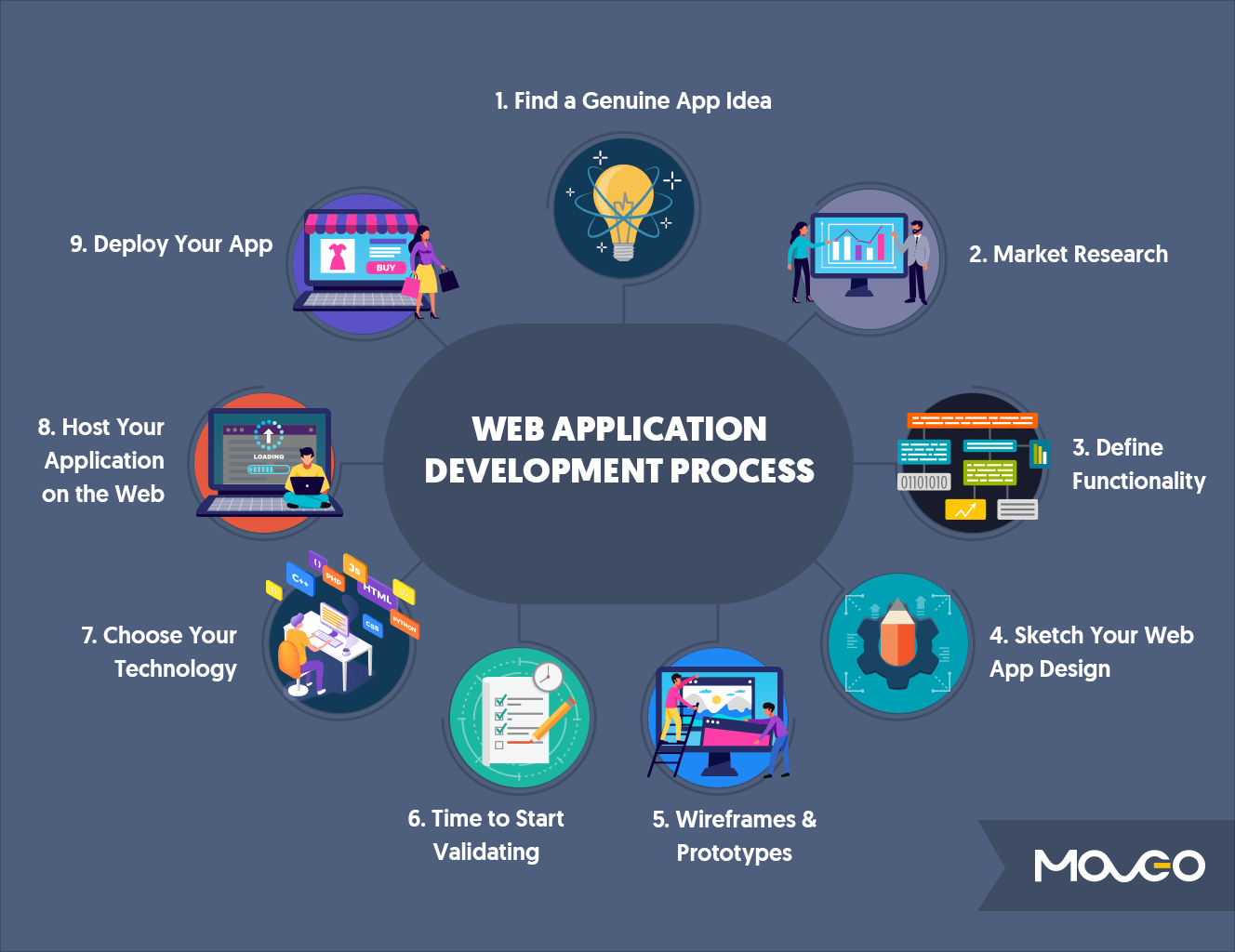
Designing a web application involves several stages, including planning, wireframing, prototyping, and testing. Each stage requires careful consideration and execution to ensure that the final product meets the user's needs and expectations. Here are the key steps involved in the design process:
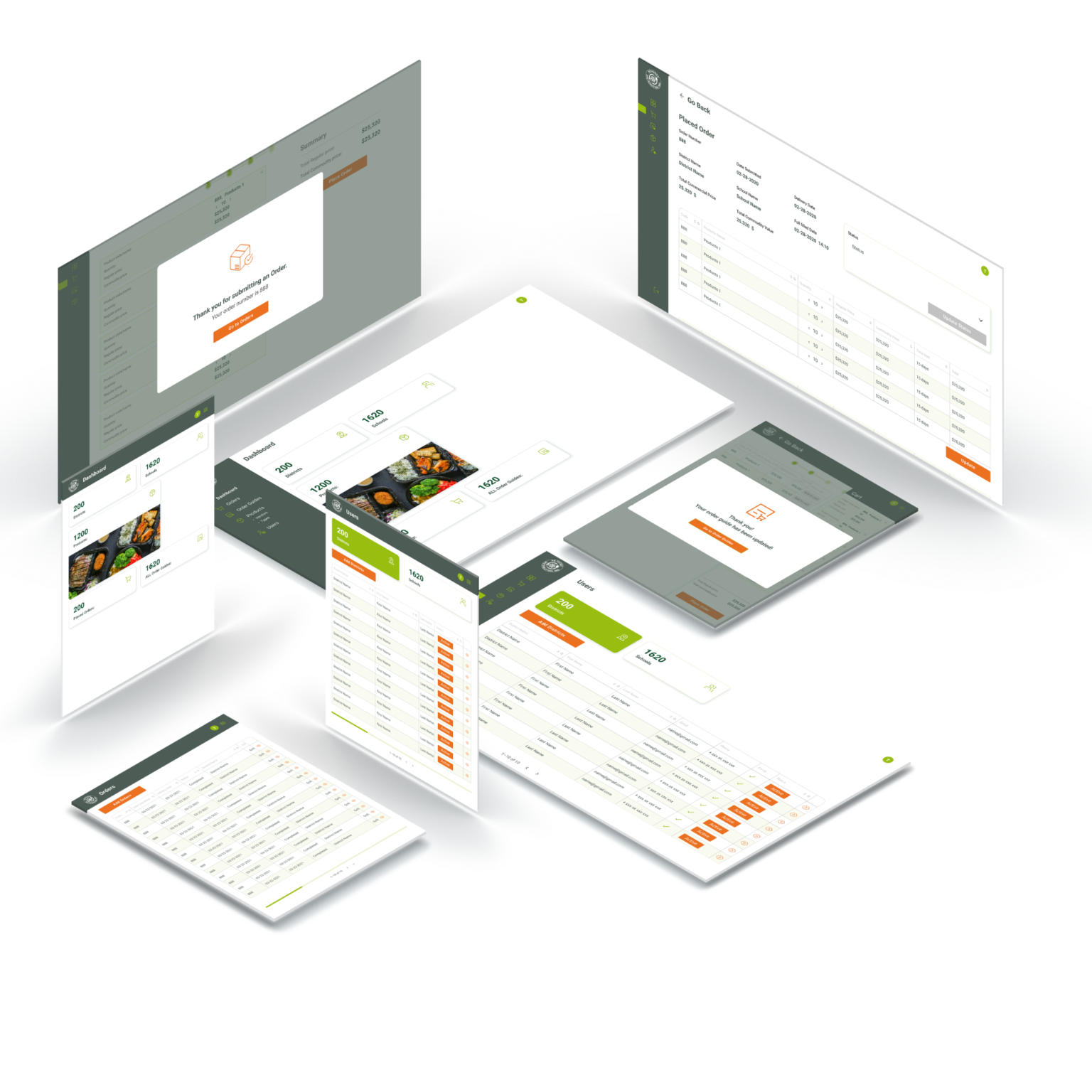
Web Application Design & Development | Digilite
Source: digilite.ca
- Planning: Identify the target audience, define the application's purpose and goals, and determine the scope of the project.
- Wireframing: Create low-fidelity sketches of the application's layout and user interface to visualize the design and user experience.
- Prototyping: Develop a high-fidelity prototype of the application to test and refine the design and user experience.
- Testing: Conduct usability testing and gather feedback from users to identify areas for improvement.

Web Application Design on Behance
Source: www.behance.net
Tools and Techniques for Designing Web Applications Online
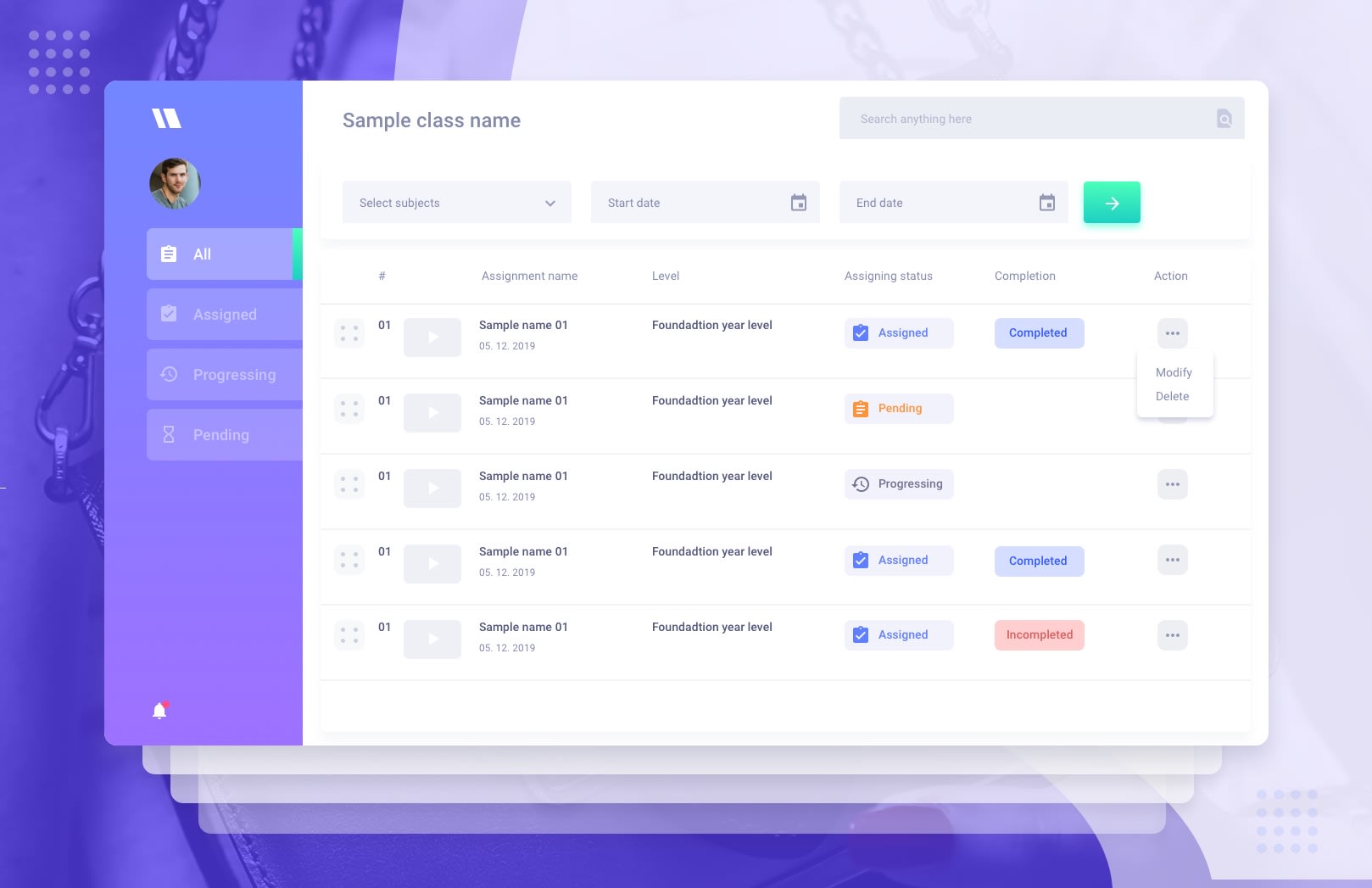
Web Application Design Web Application Design Designs, Themes,
Source: fity.club
There are many tools and techniques available for designing web applications online, including graphic design software, user experience (UX) design tools, and web development frameworks. Here are some of the most popular tools and techniques:

Web Application Design | Behance
Source: www.behance.net
Graphic design software such as Adobe XD, Sketch, and Figma can be used to create and edit visual elements, such as logos, icons, and typography.
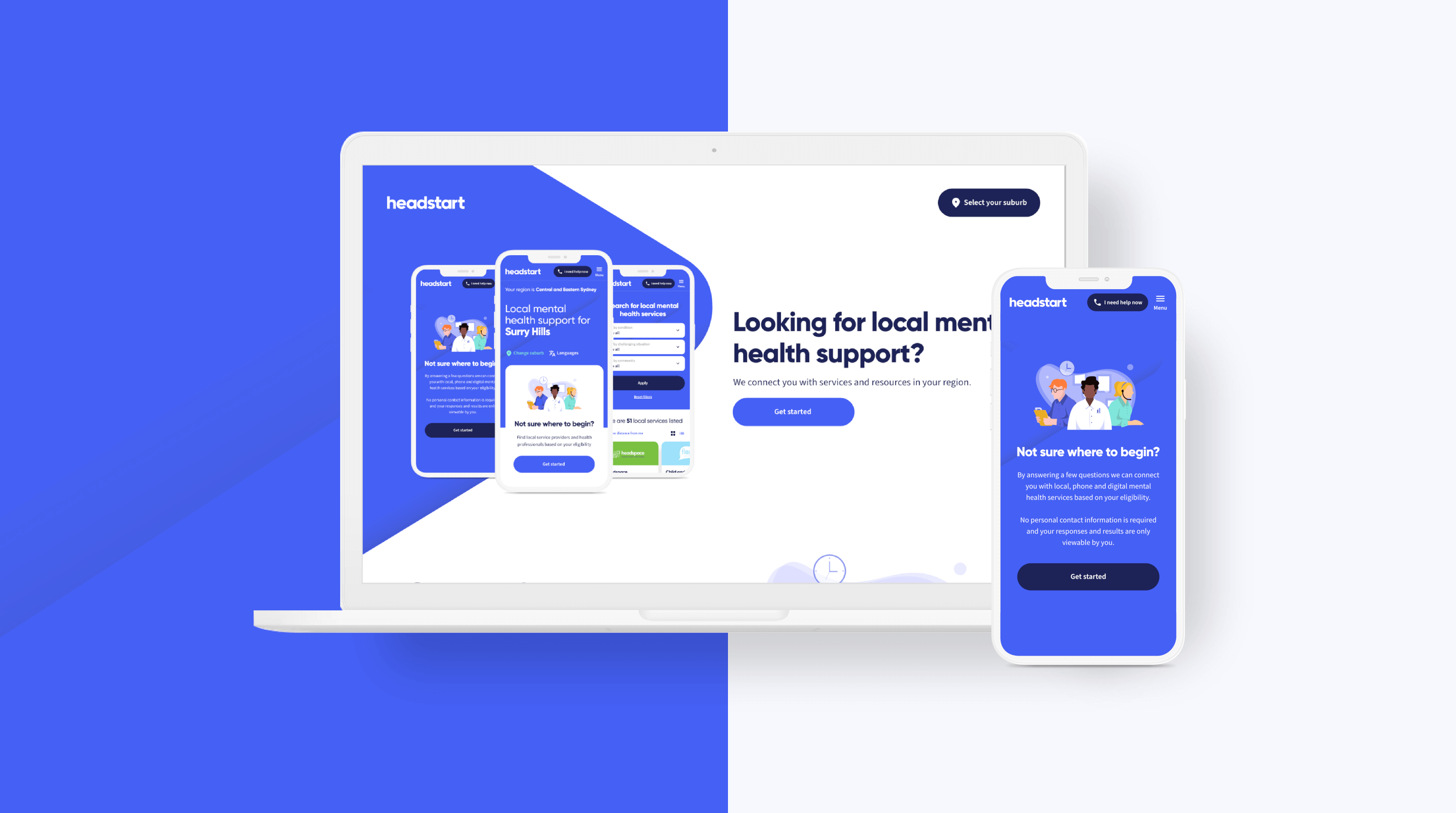
Web Application Design & Development - Bright - A design agency for ...
Source: brightagency.com.au
UX design tools such as InVision, Axure, and Justinmind can be used to create interactive prototypes and wireframes.
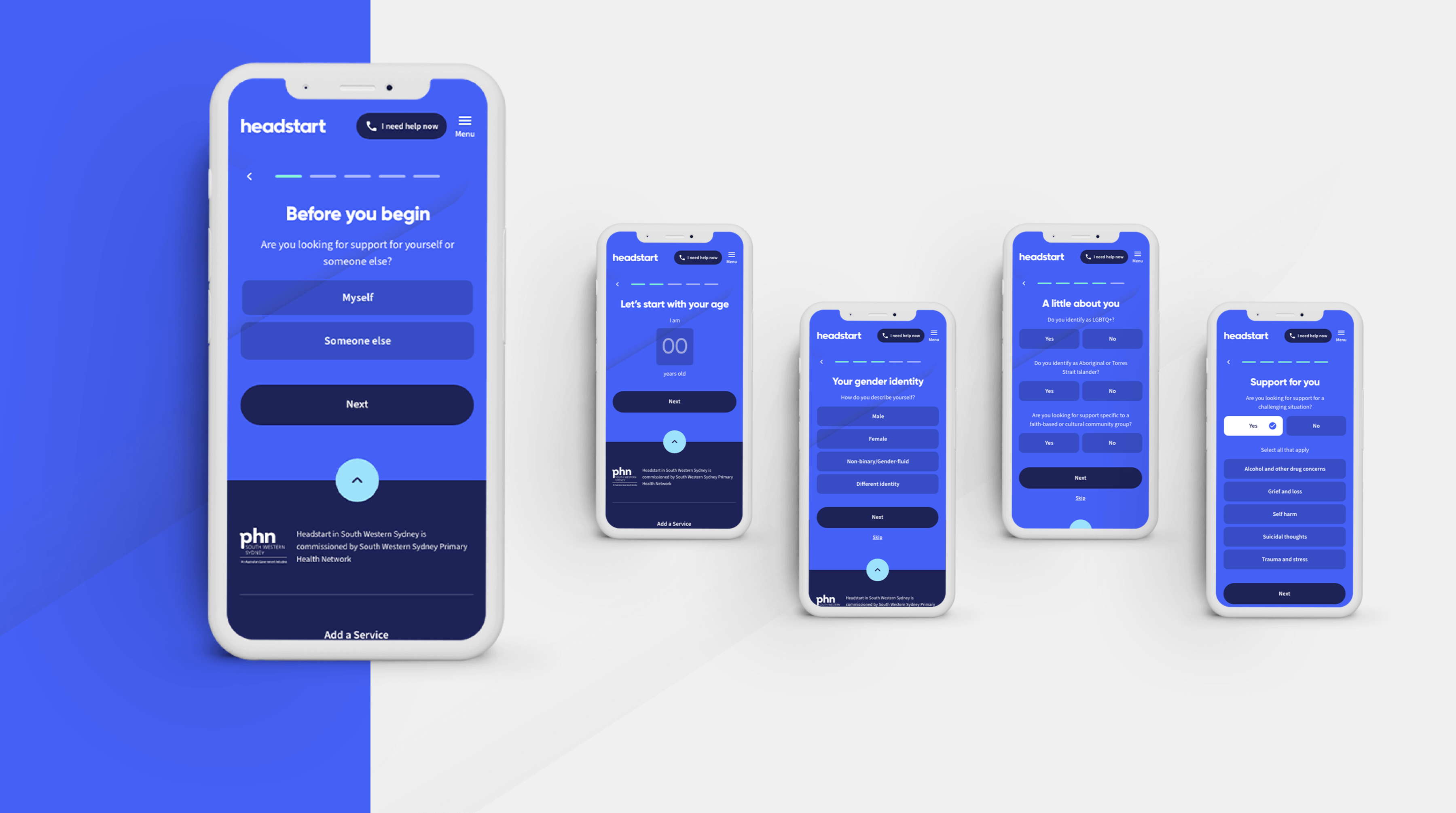
Web Application Design & Development - Bright - A design agency for ...
Source: brightagency.com.au
Web development frameworks such as React, Angular, and Vue.js can be used to build and deploy web applications.
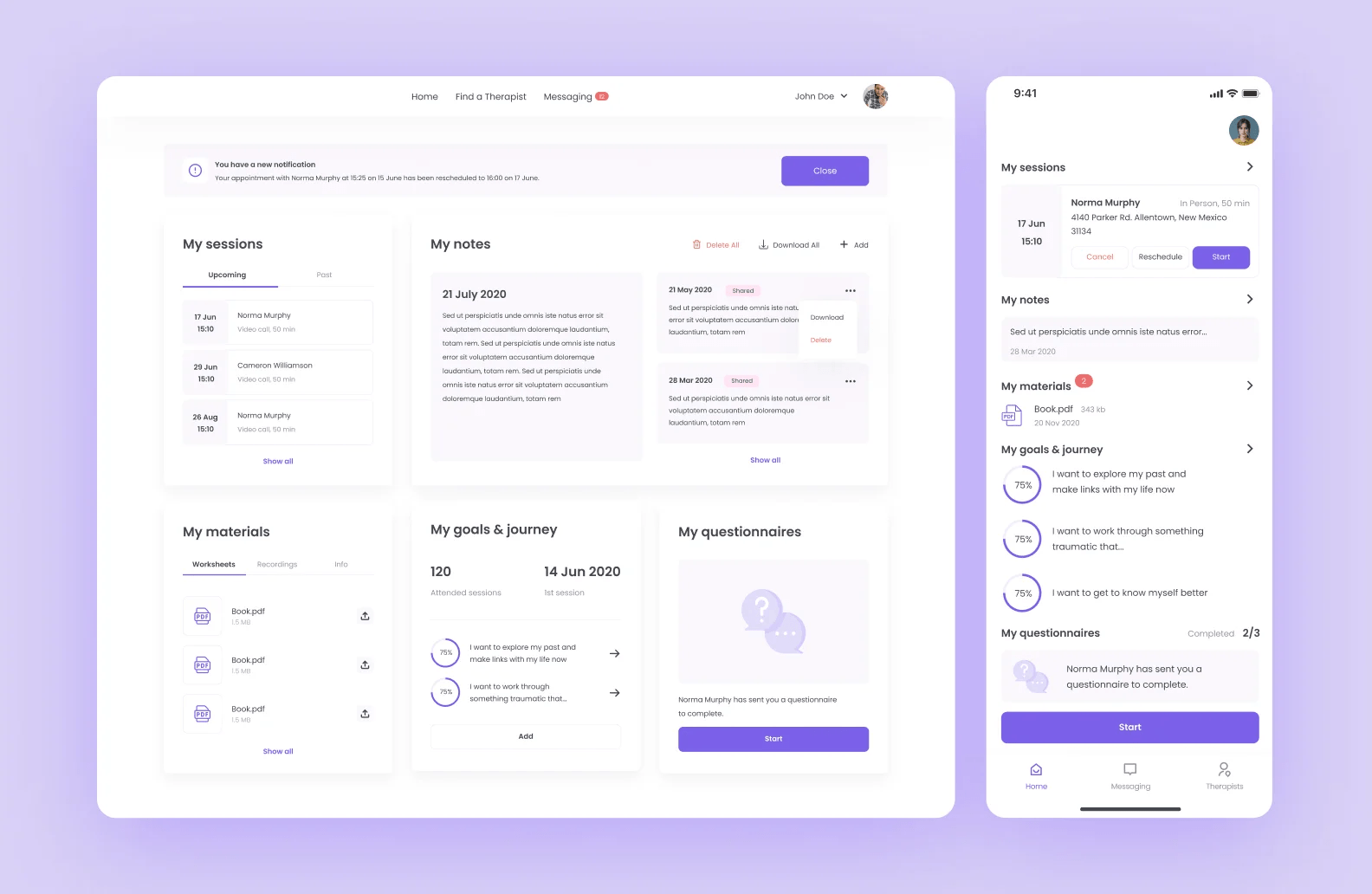
Web Application Design Web Application Design Designs, Themes,
Source: fity.club
Evaluating the Competition
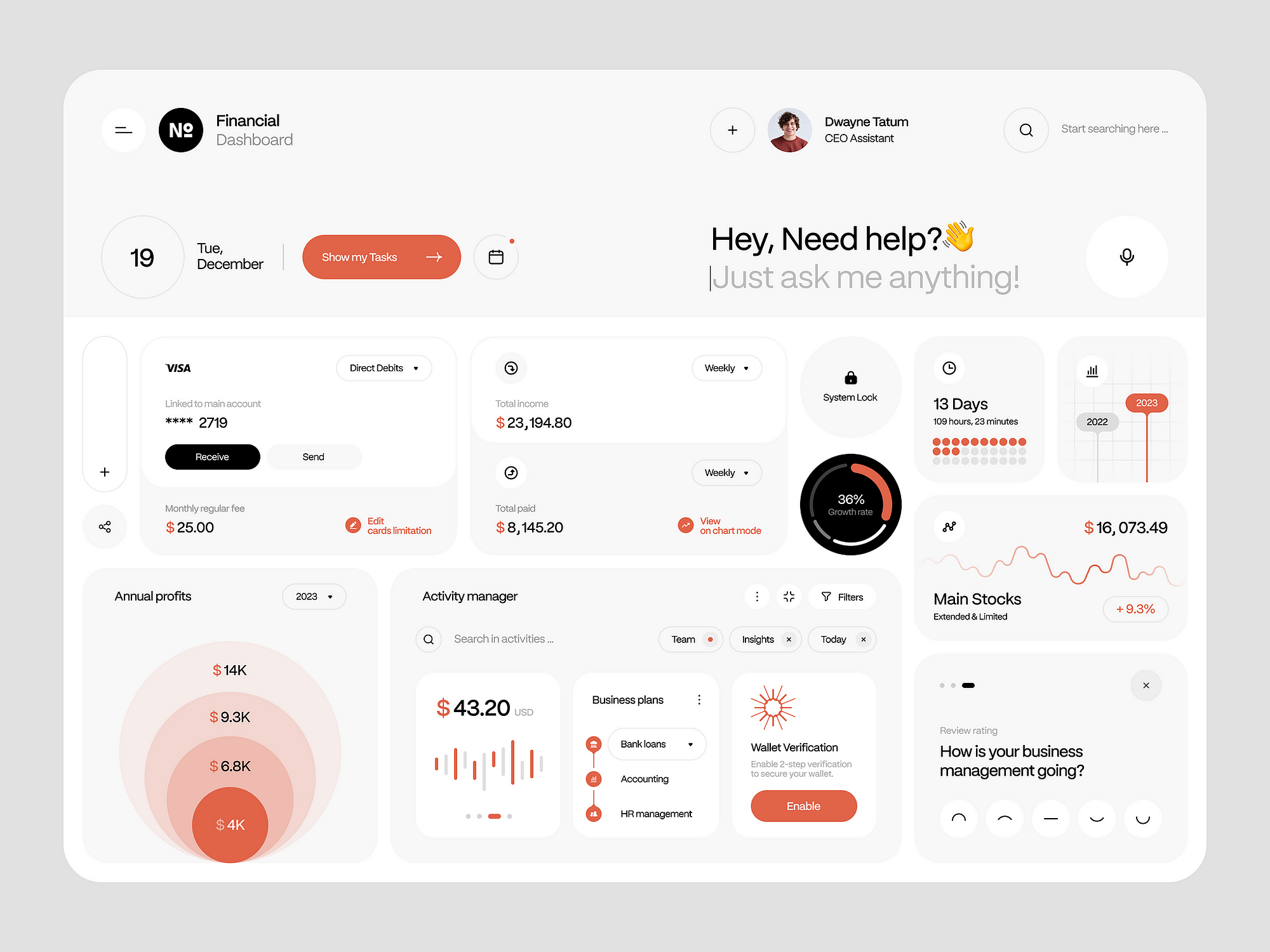
Web Application Design Web Application Design Designs, Themes,
Source: fity.club
When designing a web application online, it's essential to evaluate the competition and identify areas for differentiation. This can involve analyzing the user interface, user experience, and features of similar applications to identify gaps and opportunities. Here are some key metrics to consider when evaluating the competition:
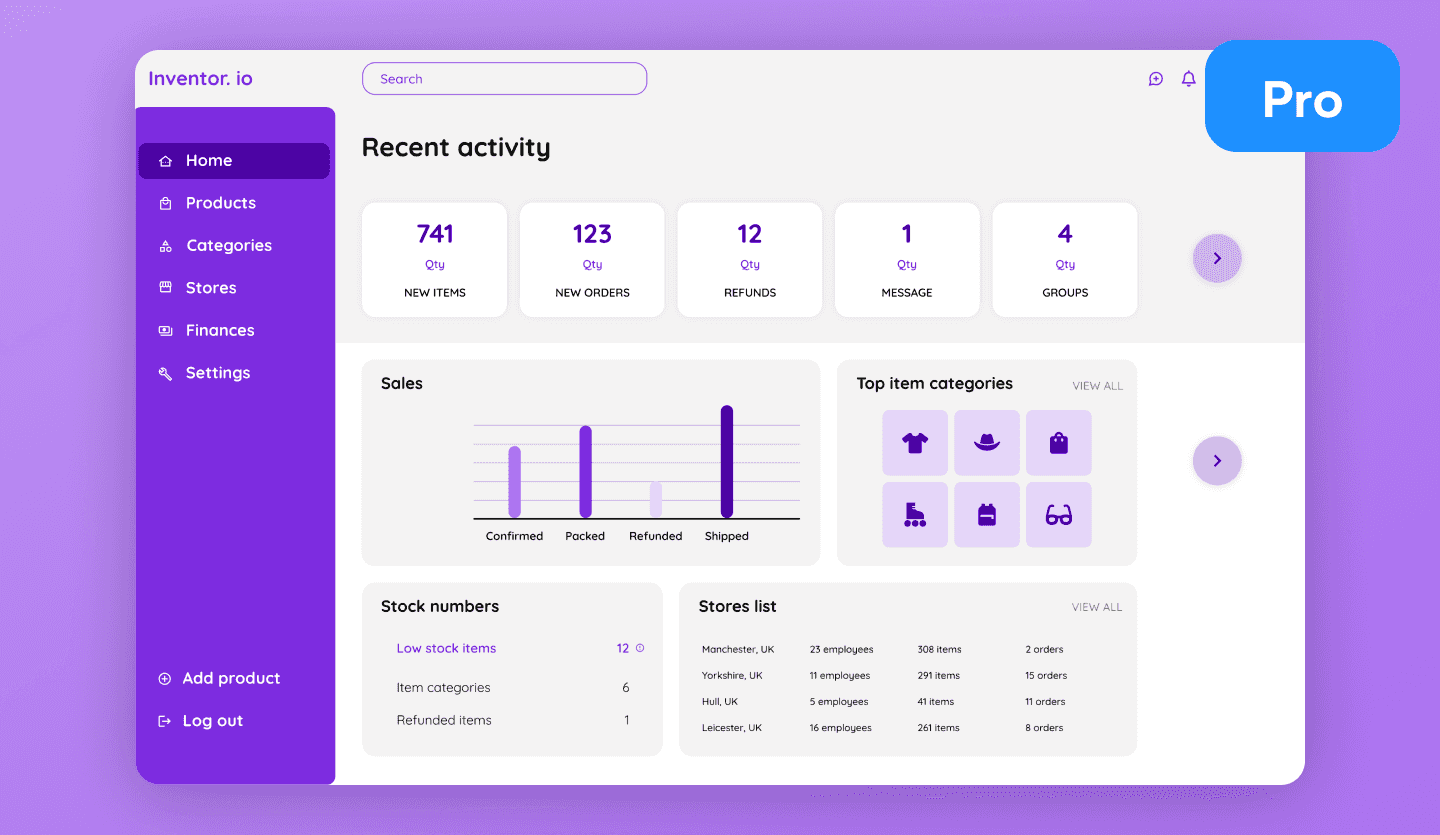
Web Application Design Web Application Design Designs, Themes,
Source: fity.club
- User interface: Analyze the layout, typography, color scheme, and imagery used in similar applications.
- User experience: Evaluate the navigation, search functionality, and other interactive elements.
- Features: Identify the features and functionality offered by similar applications and compare them to your own application.
Web Application Design Examples
Source: utpaqp.edu.pe
Designing for User Experience
Web Application Design Examples
Source: utpaqp.edu.pe
Designing a web application online is not just about creating a visually appealing interface; it's also about creating a user-friendly and intuitive experience. Here are some key principles to consider:
Web Application Design Examples
Source: utpaqp.edu.pe
Make it easy to find what users are looking for: Use clear and concise labeling, intuitive navigation, and effective search functionality to help users quickly find what they need.

The Web Application Development & UX/UI Design Company of NJ | CMDS
Source: www.cmdsonline.com
Minimize cognitive load: Use simple and consistent design patterns, avoid clutter, and use whitespace effectively to reduce cognitive load and make it easier for users to focus.

Design of a web application on Behance
Source: www.behance.net
Provide feedback and guidance: Use loading animations, validation messages, and other forms of feedback to help users understand what's happening and guide them through the application.
Web Application Page Design by Satyajit Designer at Coroflot.com
Source: www.coroflot.com
Designing for Accessibility
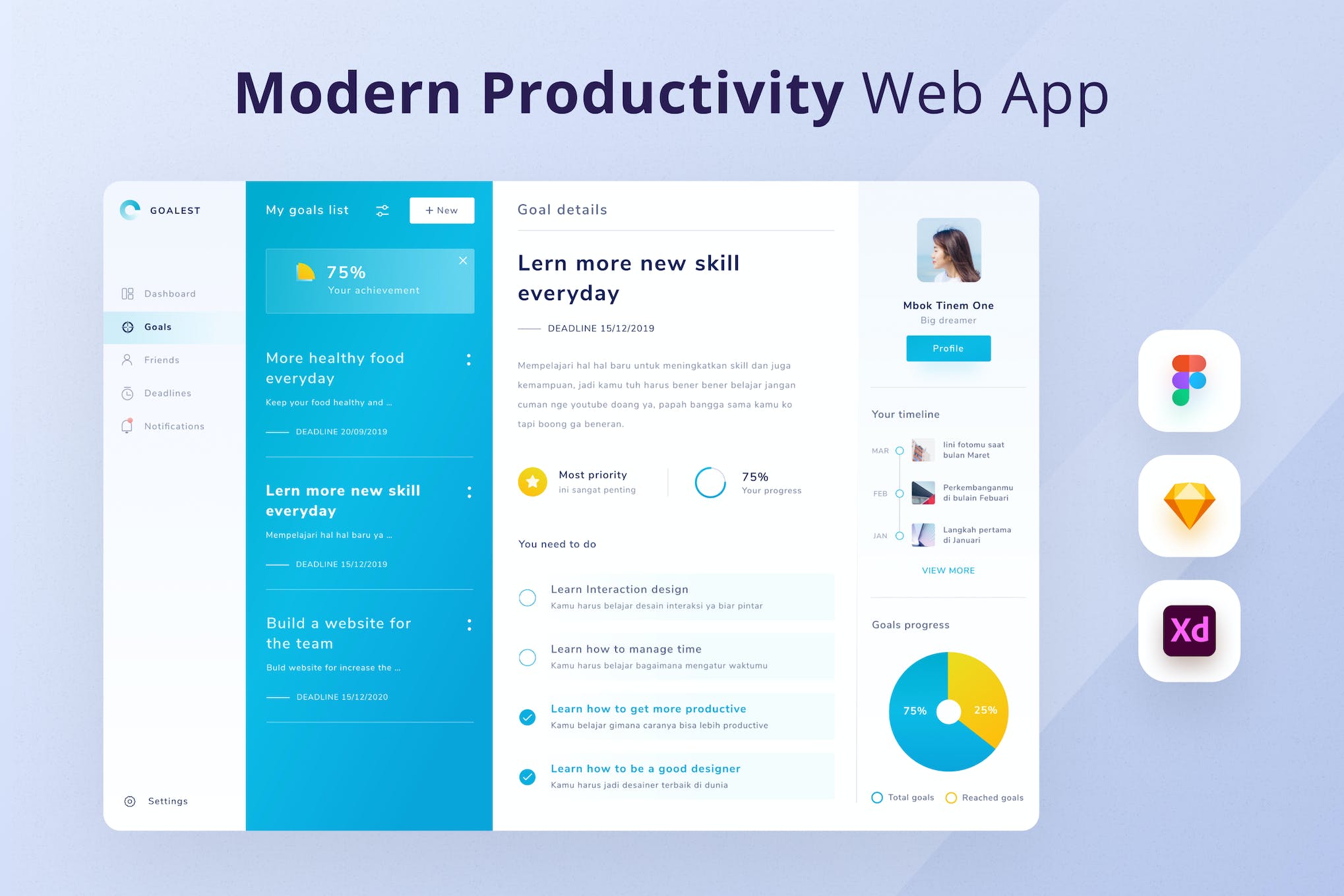
Sample Web Application Design Web Application Design On Behance
Source: narodnatribuna.info
Designing a web application online also means designing for accessibility. Here are some key principles to consider:

Web Application - Web Design & Digital Marketing with iREX Software ...
Source: irex.pk
- Color contrast: Ensure that the contrast between text and background is sufficient for users with visual impairments.
- Keyboard navigation: Ensure that users can navigate the application using only their keyboard.
- Screen reader support: Ensure that the application is accessible to users who rely on screen readers.

Web Application Design | DP-Solutions
Source: www.dp-solutions.co.uk
Designing for Scalability

Web Application Development: Step By Step Guide – DesignSavvy ...
Source: www.searchenginegenie.com
Finally, designing a web application online means designing for scalability. Here are some key principles to consider:
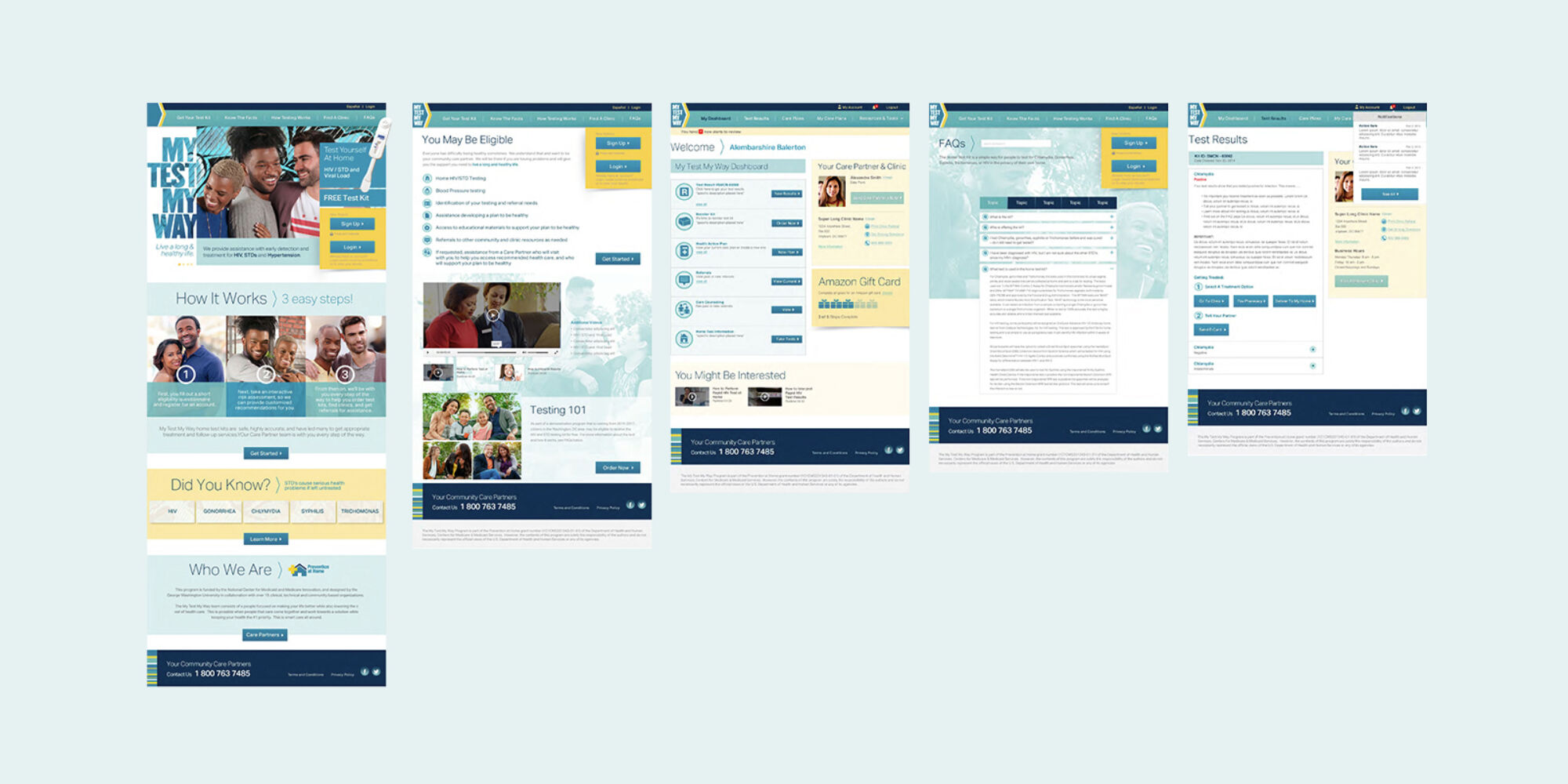
Web & App Design - Renie Design - Creative Agency
Source: reniedesign.com
- Use responsive design: Ensure that the application adapts to different screen sizes and devices.
- Use modular design: Break down the application into modular components that can be easily updated and maintained.
- Use cloud-based infrastructure: Use cloud-based infrastructure to scale the application horizontally and vertically as needed.
Best Practices for Designing Web Applications Online
Here are some best practices to keep in mind when designing web applications online:
| Best Practice | Why it Matters |
|---|---|
| Conduct user research | Understand the needs and behaviors of your target audience. |
| Develop a design system | Establish a consistent and cohesive design language. |
| Test and iterate | Refine the design and user experience based on user feedback. |